What is laparoscopic surgery?
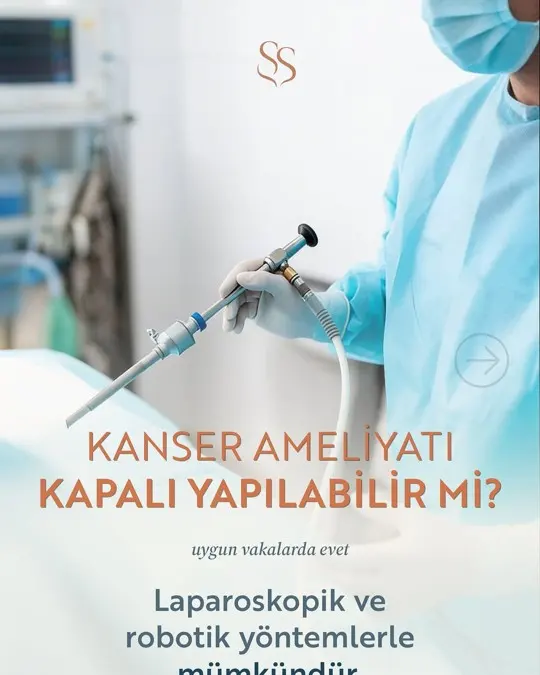
Laparoscopy is a minimally invasive surgical method performed through small incisions using a camera and special surgical instruments. It is commonly known as keyhole surgery. The inside of the abdomen is viewed without opening the abdominal wall, on a magnified image the camera projects onto a monitor, and the operation is performed with the help of this image.
During the operation, the abdominal cavity is gently inflated with carbon dioxide gas so that work can be done safely. The camera and instruments are inserted through a few small incisions around the navel and in the lower abdomen. When the operation is finished, the gas is released and the incisions are closed.
In which conditions is it used?
Laparoscopy has a wide range of uses in gynecology:
- Ovarian cysts and adnexal masses
- Endometriosis and chocolate cysts (endometriomas)
- Fibroid surgery (myomectomy) and removal of the uterus (hysterectomy)
- Ectopic pregnancy
- Pelvic adhesions and investigation of the causes of chronic pelvic pain
- Surgery for gynecologic cancers in selected cases
Advantages of the minimally invasive method
In suitable patients, laparoscopic surgery may offer advantages over open surgery such as less blood loss, less pain, a shorter hospital stay and an earlier return to daily life. Because the incisions are small, the cosmetic appearance is also generally better, and wound problems such as hernias are seen less often.
However, these advantages are not seen to the same extent in every patient. The surgical method to be used is determined according to the type, extent and stage of the disease.
Minimally invasive surgery and gynecologic cancers
In gynecologic oncology, laparoscopy has an important place in suitable patients. For example, in uterine (endometrial) cancer, the operation can be completed in most cases without a large abdominal incision, using a camera and thin instruments, together with sentinel lymph node assessment. A laparoscopic approach can also be used in selected ovarian conditions.
The situation is not the same in every cancer. In cervical cancer, current guidelines generally recommend open surgery for radical operations. A suspicious mass in the ovary requires that, on the assumption that it may be cancer, the mass be removed inside a closed bag without being cut. If the disease has spread within the abdomen, open surgery may be needed. For this reason, in every patient with suspected cancer, the method is chosen with oncologic safety in mind.
As Assoc. Prof. Dr. Sevtap Seyfettinoğlu emphasizes, every patient is unique and the surgical method is personalized according to the disease and the patient's condition. Even for the same disease, a different method may be suitable for two different patients.
Pre-operative preparation and the process
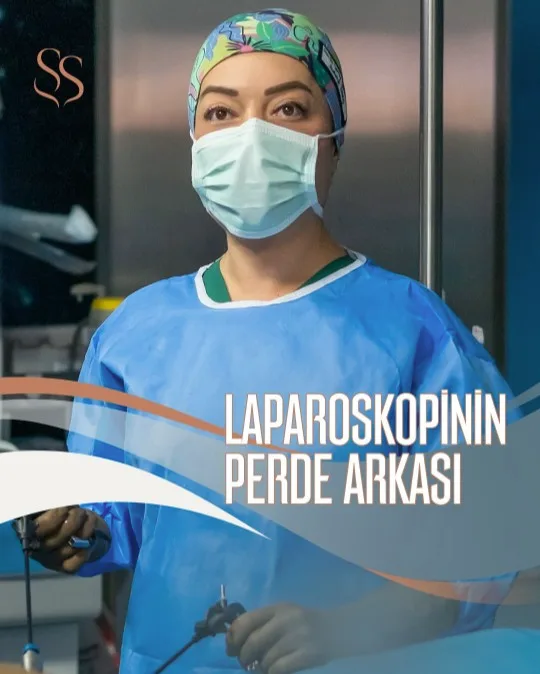
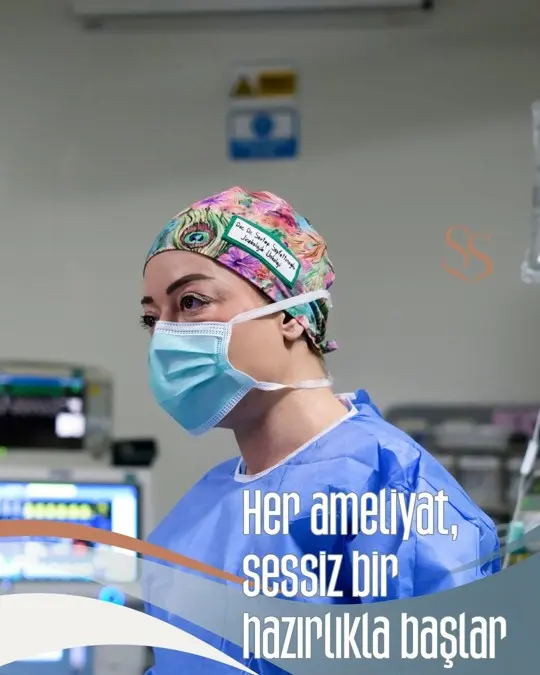
Before surgery, an examination, ultrasound, the necessary blood tests and an anesthesia assessment are performed. Minimally invasive surgery requires precision and experience at every stage. Full compliance with sterilization rules, the right choice of equipment and team coordination form the basis of the operation; the preparation stage is as important as the operation itself.
Laparoscopy is performed under general anesthesia. The duration varies with the type of operation. When needed, the tissue removed during the operation can be examined quickly by frozen section pathology, and the result guides how the surgery continues.
Risks and conversion to open surgery
As in every operation, laparoscopy carries risks such as bleeding, infection, problems related to anesthesia and injury to neighboring organs (bowel, bladder, ureter, blood vessels). These complications are rare, but the surgeon's experience and careful patient selection reduce the risk. In some situations, for example extensive adhesions or unexpected bleeding, the operation may be converted to open surgery for patient safety. This possibility is discussed with you before surgery.
Some conditions, such as heart and lung disease, need careful evaluation for minimally invasive surgery because of the gas used and the operating position.
Who may not be suitable for laparoscopy?
In some groups, such as people with very extensive intra-abdominal adhesions, those who have had many previous abdominal operations, those with advanced heart or lung disease and cancer patients whose disease has spread within the abdomen, the minimally invasive method may not be safe or may require more careful planning. This is evaluated separately for each patient.
Recovery and follow-up
Most patients are mobilized shortly after the operation and are discharged. In the first days there may be discomfort in the abdomen and shoulder from gas remaining in the abdomen; this usually goes away on its own. Return to light activity can be quick, but you should follow your doctor's timeline for heavy lifting and sexual intercourse.
When the pathology report after surgery arrives, a check-up examination is performed. You should seek care without waiting if you have fever, severe abdominal pain, heavy bleeding or discharge at the wound site.